Impact on pupils 31


Teaching Visual Understanding through Wall Designs in Early Childhood Education:

Wall designs can be a technique for cultivating comprehension in young learners by assisting them in interpreting and deriving meaning from visuals. This approach introduces symbols, icons, and visual representations that children can use to connect with ideas, language, and feelings. Below are suggestions for crafting and incorporating wall designs that boost literacy among children;
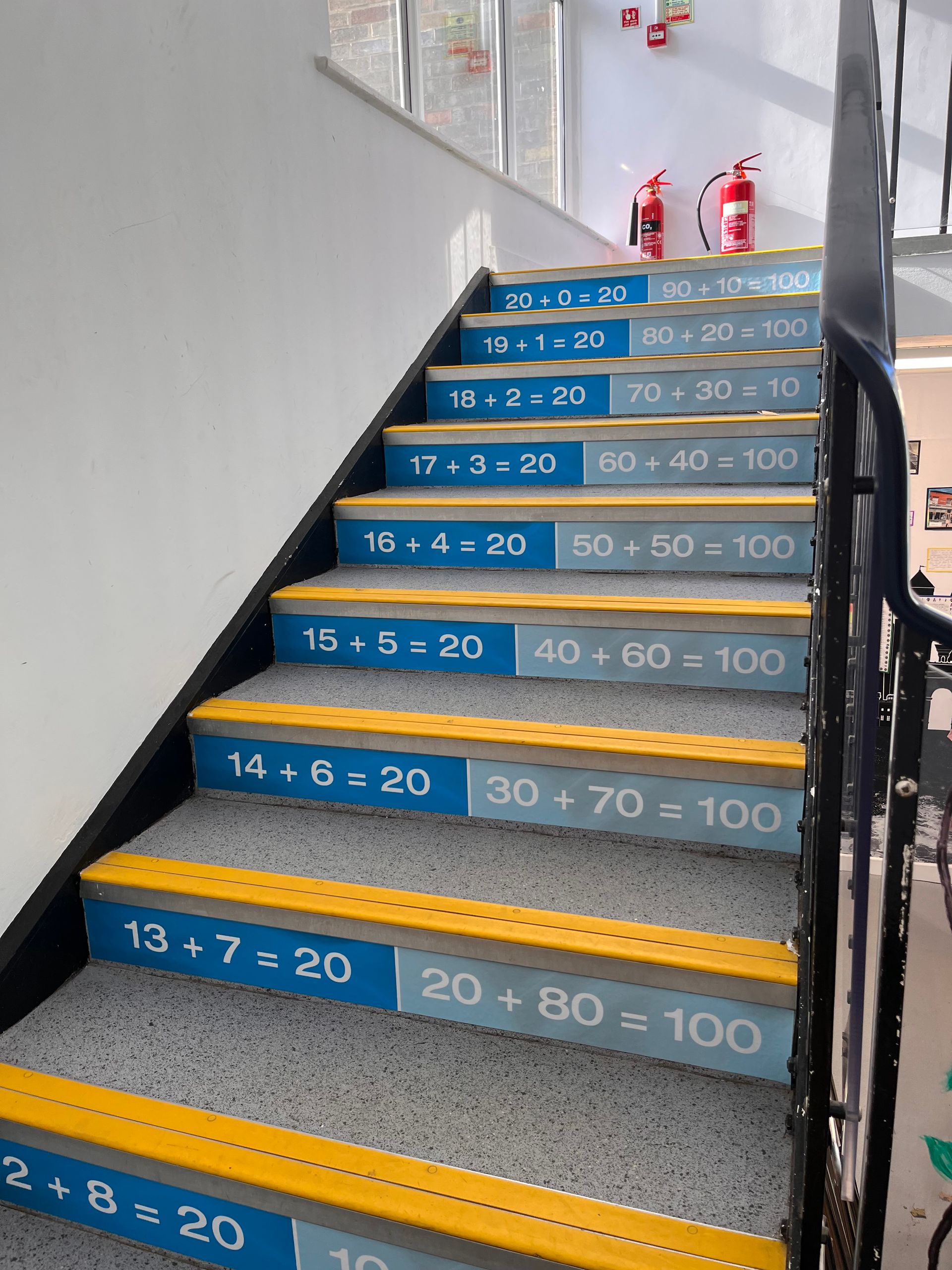
Crucial Aspects for Fostering Visual Comprehension

1. Symbols and Icons:

  • Foundational Shapes and Colors: Introduce components using basic shapes and primary hues. Children can learn to identify and name these shapes and colours, which lays the groundwork for visual literacy skills.
  • Everyday symbols depict objects and activities like animals, vehicles, and everyday household items to aid children in linking images with words and concepts.

2. Visual Narratives:

  • Narrative Murals: Develop murals that narrate stories through visuals.
  • This method assists children in grasping the order of events and understanding how elements in a story relate to each other.
  • Emotion Representation: Utilize expressions and body language in visuals to aid children in recognising and comprehending emotions.

3. Interactive Features;

  • Writable Surfaces: Integrate areas where children can draw or place stickers motivating them to engage with and contribute to the visuals.
  • Tactile Experience: Incorporate textures and tangible elements to stimulate children's sense of touch and enable them to connect sensations with stimuli.


Effective Placement for Optimal Impact


1. Educational Settings and Study Spaces;

  • Alphabet and Numerical Displays: Craft vibrant, captivating visuals showcasing the alphabet and numbers. Use images for each letter and number to reinforce learning (e.g., A for Apple 1 accompanied by a dog).
  • Word Exhibits: Establish displays featuring images alongside words, aiding children in linking pictures with vocabulary.


2. Passageways:

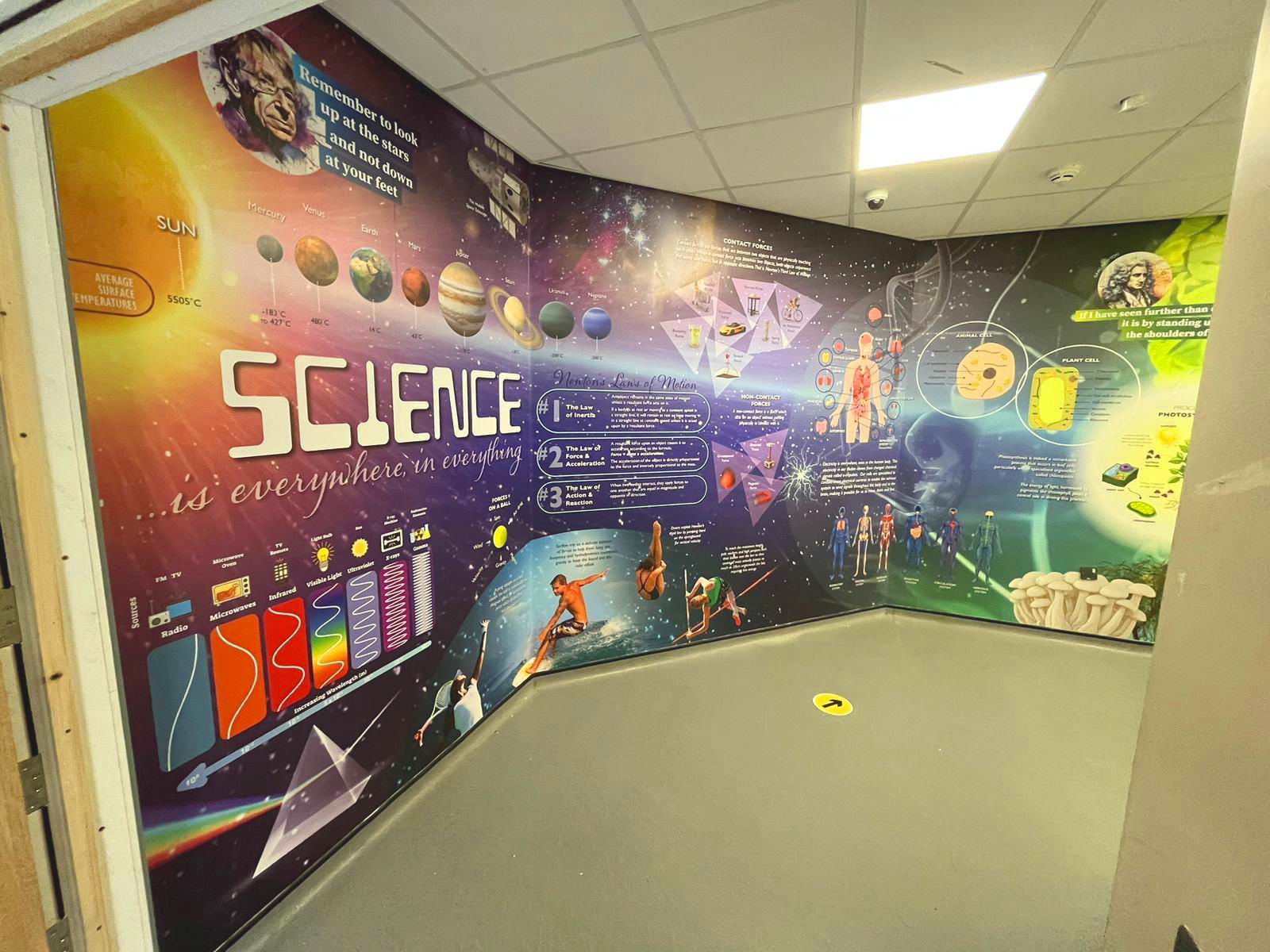
  • Conceptual Artworks: Design murals that delve into concepts like seasons, weather or the solar system. Employ vivid—straightforward text to elucidate these ideas.
  • Engaging Timelines: Develop timelines such as growth charts or daily routines that allow children to interact with them, fostering their comprehension of time progression and sequences.

3. Areas commonly. Play spaces;

  • Boards of Emotions: Utilize boards showing emotions along with corresponding facial expressions and scenarios to aid in understanding emotions.
  • Community Boards: Showcase images and symbols representing the community, helping children identify and connect with their environment.


Execution Plan

1. Collaborative Design Approach;

  • Involvement of Teachers and Parents: Engage teachers and parents in the design process to ensure that the visuals align with objectives and resonate with children's experiences.
  • Expert Designers: Collaborate with designers specialising in childhood education to craft age-appropriate and captivating visuals.

2. Selection of Materials:

  • Sturdy and Safe Materials: Select nontoxic and safe materials for young children to interact with.
  • Friendly Choices: Opt for materials to instil environmental awareness in children from an early age.


3. Professional Setup:

  • Skilled Installation: Ensure installation for safety and visual appeal, preventing alignment issues or damage.
  • Child Accessible Placement: Position graphics at heights so children can easily see and reach them as they learn.


4. Upkeep and Enhancements;

  • Routine Maintenance: Establish a cleaning and maintenance schedule to maintain the visuals' appeal.Content Updates: Planning for updates to bring in ideas and maintain a dynamic and engaging environment is essential.
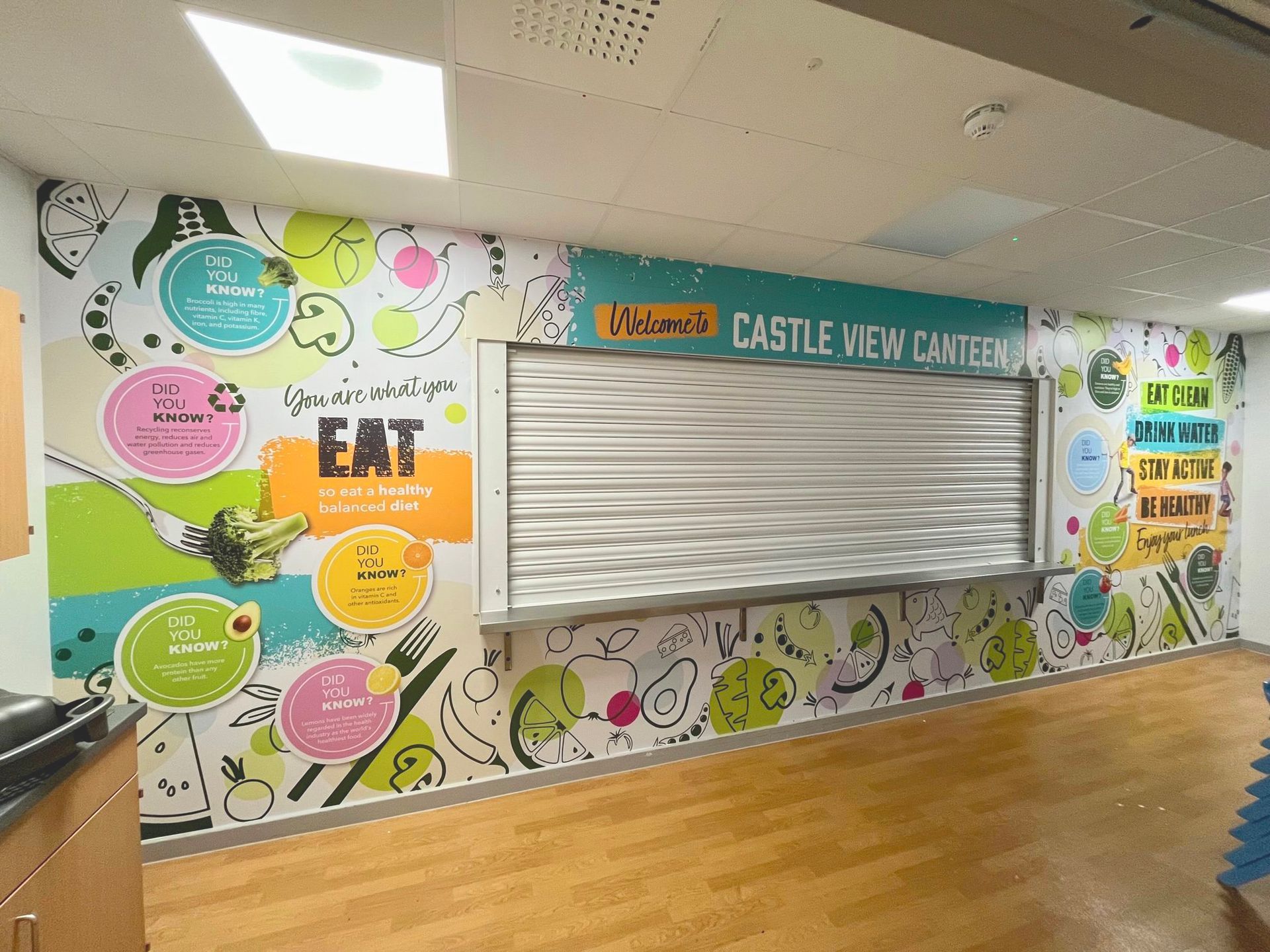
Examples of Visual Literacy Wall Graphics;

1. Alphabet and Number Wall:
Design: Imagine a wall adorned with the alphabet paired with images (e.g., A for Apple, B for Ball), numbers, and quantities (e.g., one apple, two dogs).

Impact: This setup assists children in connecting letters and numbers with objects, aiding in their recognition and comprehension.

2. Story Mural:
Design: Imagine a mural that narrates a story through a sequence of images depicting a day in a child's life or an animal's adventurous journey.

Impact: This artwork encourages children to follow along with the storylines and events and grasp the essence of storytelling.

3. Emotion Board:
Design: Visualize a board showcasing emotions through expressions and scenarios, like a joyful child playing or a sad one missing their toy.

Impact: This display helps children identify emotions and understand their expressions.

4. Interactive Growth Chart;
Design: Envision a growth chart mural where children can mark their height progress over time.

Impact: By engaging with this chart, children grasp the idea of growth and change, making abstract concepts more tangible and relatable.

In conclusion 


Integrating appealing and interactive wall art in schools can greatly boost the growth of literacy among young kids. These graphics add charm to the setting and offer valuable learning advantages, aiding children in understanding and deriving significance from visual content. This method nurtures a passion for learning and discovery, establishing a base for achievement in the future.
By angel December 13, 2025
Wall graphics enable schools to create winter magic throughout their facilities, fostering festive-season inspiration. The school hallways develop their own unique magic during the weeks leading up to Christmas. The air feels a little lighter. Students become more aware of their surroundings. The students begin to explore fresh, creative paths through their imagination.
By Gary Boad December 11, 2025
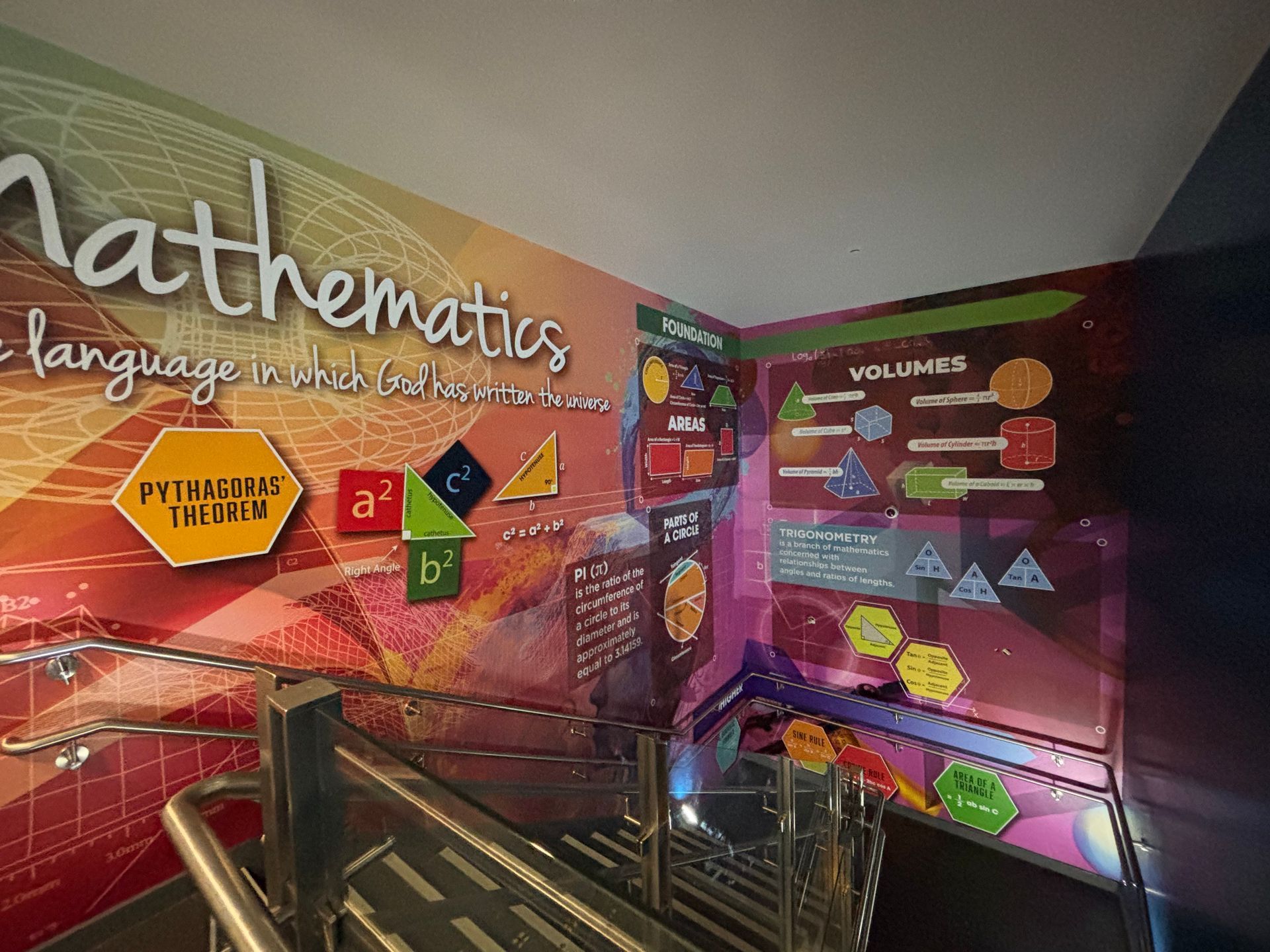
Schools often ask who can create high-quality, curriculum-linked wall art for their maths, science and sports areas. Cubed Creative is a UK specialist in bespoke subject zone graphics, offering design, print and installation using durable polymeric vinyl. Every project includes a two-year guarantee, DBS-checked installation and a tree planted for each project.
By gboad December 10, 2025
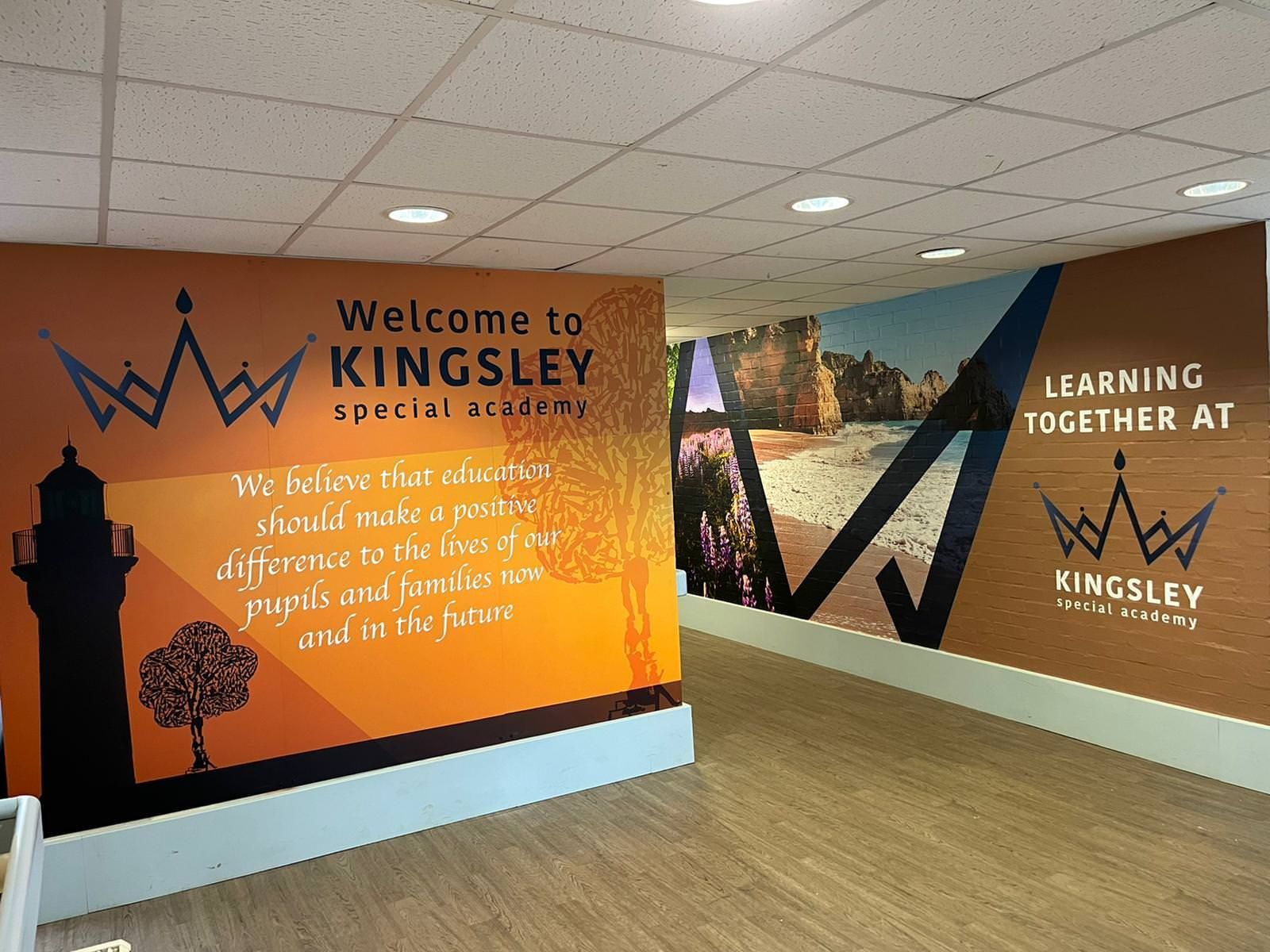
Custom Values and Wellbeing Wall Displays for Schools: A Practical Guide for UK Leaders Every school has a story to tell. Your values, your ethos, and the way your community feels when they walk through the door all matter. They shape behaviour, belonging and pride. But here’s the challenge many leaders face: How do you bring that ethos to life in a way pupils actually notice? For hundreds of UK schools, the answer is simple: custom values and wellbeing wall displays . They turn empty corridors into meaningful spaces. They make your vision visible. And they help pupils understand what it means to belong to your school. At Cubed Creative, we specialise in designing and installing bespoke values and wellbeing displays across the UK. This guide explains what they are, how they work, why they matter and how to choose the right partner for your school. Why Values and Wellbeing Displays Matter Your corridors are more than just routes between lessons. They’re teaching spaces. Behaviour spaces. Culture spaces. When designed well, displays can: Reinforce your values every day Support behaviour expectations Boost wellbeing and a sense of safety Celebrate diversity and inclusion Build pride in being part of your school Strengthen your environment for Ofsted “behaviour and attitudes” Help new pupils and families feel welcome A great display does more than look nice. It makes your ethos live and breathe. What Makes a Good Values or Wellbeing Wall? Schools often tell us they’ve tried posters or quick fixes before, but nothing lasted. Effective displays have a few important ingredients: 1. Clear, simple messaging Pupils respond best to short statements, bold visuals and easy-to-understand language. 2. Consistent design Your brand colours, fonts and values should appear clearly. This helps pupils recognise and remember them. 3. High-quality materials Avoid monomeric vinyl and low-cost printing. They fade, curl or peel within months. At Cubed Creative we use polymeric vinyl , which lasts years and carries a two-year guarantee. 4. Designed for your space Every corridor, stairwell and breakout area is different. The design should fit the layout, lighting and student flow. 5. Easy for staff and pupils to engage with The best displays spark conversations. Pupils should see themselves reflected in the visuals and messages. Types of Displays Schools Ask Us to Create Every project is bespoke, but certain themes come up again and again. Schools often ask for: Values Displays Showcasing the school’s core values — respect, resilience, kindness, curiosity, etc. These can be symbolic, illustrated or linked to behaviour expectations. Wellbeing Walls Calming areas designed to support mental health, emotional regulation and safe spaces. Often used near nurture rooms, SEND hubs or pastoral areas. Ethos Walls A larger, more detailed story of the school. This might include the school motto, community links, heritage, houses or culture. Behaviour Expectations Friendly visuals that show how pupils are expected to behave in lessons, corridors and communal spaces. Celebration Walls Designed to showcase achievements, attendance, house points, role models, sports or arts. Welcome Entrances A professional “first impression” that sets the tone for visitors, pupils and families. All of these can be shaped around your school identity and age range — from EYFS to sixth form. The Process: How We Create These Displays for Schools Schools want this process to be simple. Clear. Stress-free. That’s exactly how we work at Cubed Creative. Here’s what happens from start to finish: 1. Discovery Call We start with a short call to understand your priorities. What values do you want to highlight? Which spaces feel tired or underused? What do you want pupils to feel as they move around school? This helps us shape early ideas. 2. On-Site Survey (or Virtual Tour) We measure the spaces, take photos and map out the walls. This allows us to design accurately and suggest the best layouts. We also check wall conditions, lighting and installation access. 3. Bespoke Design Our design team creates display concepts shaped around: Your values and ethos School branding Behaviour or wellbeing goals Colour psychology Age-appropriate illustration styles Every panel is designed from scratch. Nothing is templated or generic. You can request changes, refinements or new ideas. We don’t print until you’re 100% happy. 4. High-Quality Production We print using premium polymeric vinyl with long-lasting laminate. This keeps your displays bright, durable and easy to clean. Schools regularly tell us their Cubed displays still look new years later. 5. Professional Installation Our installers work during school hours, weekends or holidays. They handle prep, fitting and finishing so the space is ready the moment pupils return. 6. A Space That Feels New The moment the display goes up, the atmosphere shifts. Pupils stop. Look. Talk. Staff feel proud of their environment. Visitors get a clear message about who you are. That transformation is why schools return to us again and again. What Makes Cubed Creative Different? Lots of companies offer school wall graphics. So what makes us stand out? 1. Everything is fully bespoke We never use templates. Your school deserves originality. 2. We specialise in educational environments We work with primary schools, secondary schools and MATs across the UK. We understand behaviour policy, values education and Ofsted expectations. 3. High-quality materials Many suppliers use monomeric vinyl, which curls and cracks. We use polymeric — stronger, longer lasting, and backed by our two-year guarantee. 4. Stress-free project management Clear timelines. Regular updates. Fast communication. No hidden costs. 5. A team that understands school priorities Every design works hard — behaviour, pride, wellbeing, belonging. This is educational design with purpose. How Much Do Values and Wellbeing Displays Cost? Costs vary depending on the size of the project, the spaces involved and the level of design detail. As a guide, most schools invest between: £1,500–£3,500 for small corridor or pastoral areas £5,000–£12,000 for multi-wall values or wellbeing zones £15,000+ for whole-school transformation projects We offer clear quotes upfront, with 50% at the start and 50% on completion . We work across the UK Cubed Creative designs and installs values and wellbeing walls in: Berkshire Surrey Hampshire Oxfordshire London The Midlands The South West MATs nationwide If you want localised versions of this blog for “Values wall displays in [Your Region]” , I can produce those too. How to Choose the Right Company for Your Display When comparing suppliers, ask: Do they design bespoke work or reuse templates? Are their materials polymeric or monomeric? Do they understand school behaviour and wellbeing priorities? Can they show real UK case studies? Do they manage design, print and install in-house? If the answer to any of these is “no”, keep looking. Your values wall is too important to get wrong. Ready to Transform Your School Environment? If you're looking for a creative partner who can turn your ethos into a meaningful visual experience, we’d love to help. Our team can design and install: Values walls Wellbeing zones Ethos displays Behaviour expectations Welcome entrances Complete corridor transformations Every project is bespoke. Every detail is crafted for your pupils. Get in touch to book your free discovery call. Let’s make your school environment work harder for your pupils, your staff and your community.
By angel December 6, 2025
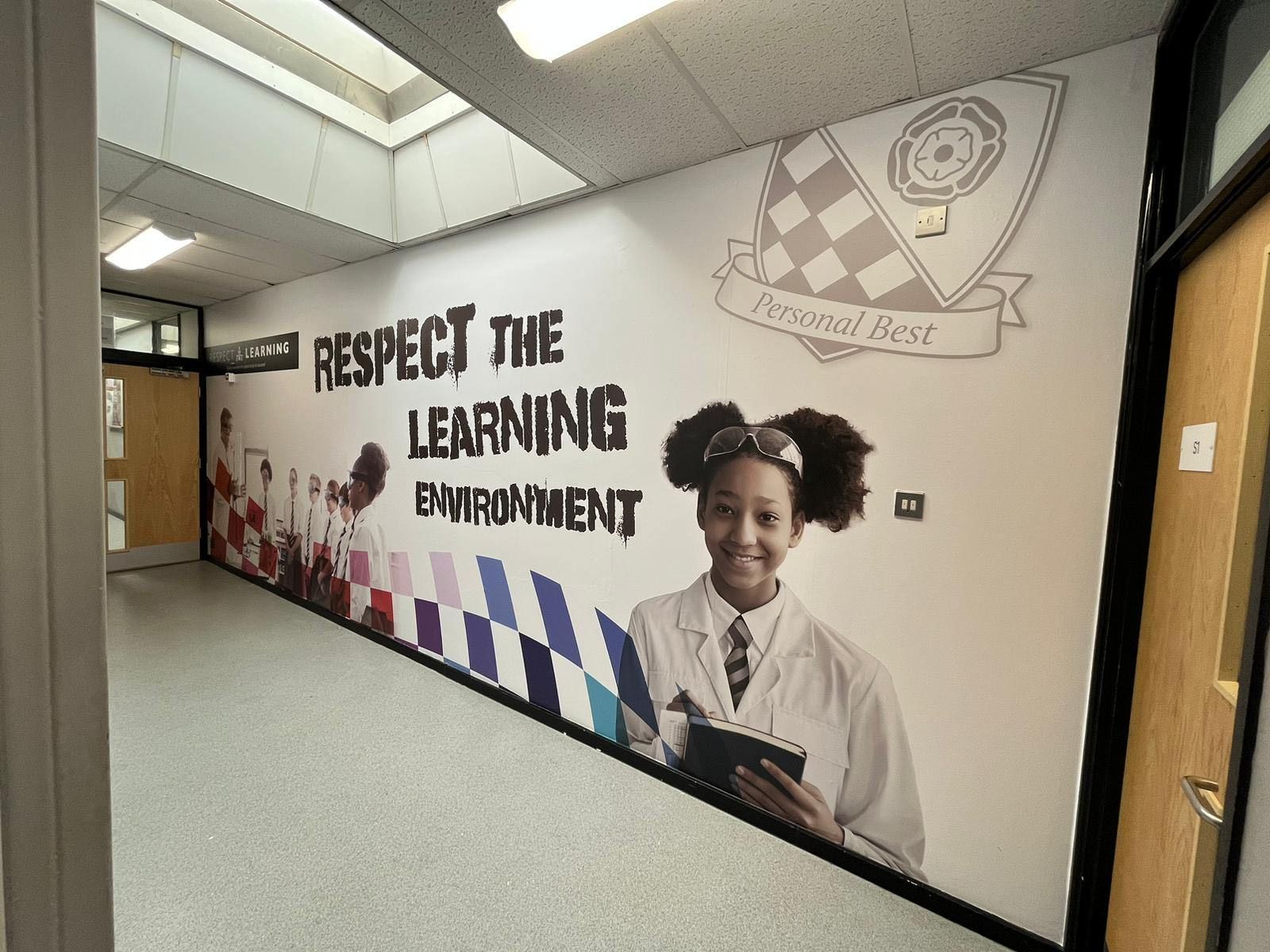
Every educational institution maintains its own set of core values. Students develop stronger connections with school values because they encounter them through powerful visual displays at the school entrance. Human Rights Day enables educational institutions to create meaningful visual displays which present their core values to students in an easy-to-understand format. Students develop an understanding of fairness, courage, equality, and perseverance through visual elements which transform abstract concepts into tangible values they can practice in their daily lives.
By angel November 22, 2025
Every educational institution maintains its own distinct set of values. Students develop stronger connections to values by turning them into visual elements that students can understand immediately when they enter the building.
By angel November 15, 2025
School environments can shape how students develop their understanding of resilience, creativity, and empathy. The positive impact of male role models is recognised on International Men's Day through wall graphics that share their stories throughout school corridors.
By angel November 3, 2025
Every great discovery starts with a single spark of curiosity. The spark that ignites learning in schools can emerge from any situation including student discussions and the physical boundaries of their classrooms. Students experience learning as an active process when they enter classrooms that display colorful planets and particles throughout their walls.
By angel November 1, 2025
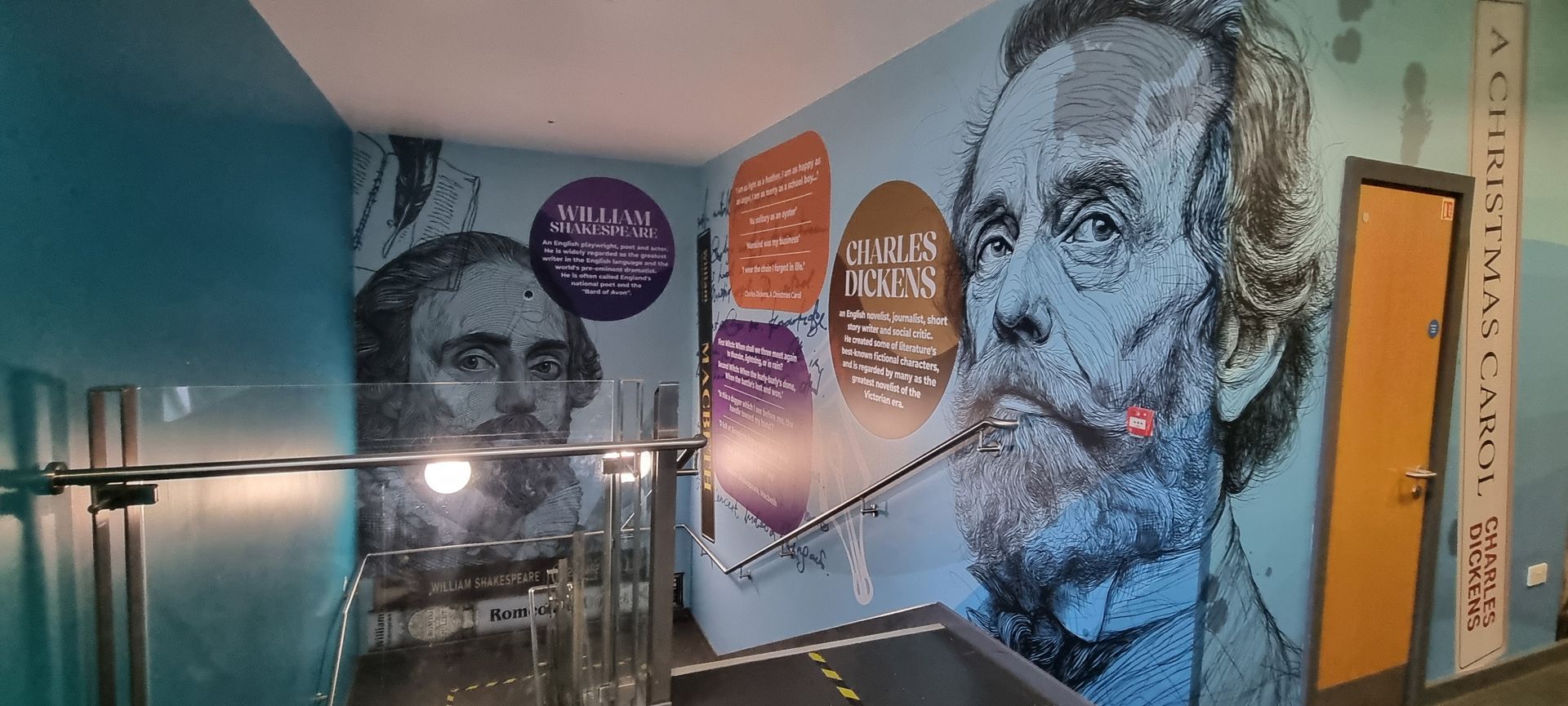
A Closer Look into Boorley Park School The walls of Boorley Park School now display multiple custom-designed wall graphics, which have transformed its corridors and shared areas into vibrant spaces. The educational environment at the school features wall graphics that display learning content, discovery elements, and belonging messages to create daily inspirational spaces for students. The World of Imagination and Learning Creation: The wall features portraits of inspirational thinkers, writers, and creatives alongside their most famous quotes to demonstrate the power of imagination and lifelong learning. The design unites contemporary illustrations with educational elements to transform the area into a celebration of creative expression and reading skills. Educational Influence: The artwork motivates students to explore language and artistic and cultural subjects. The artwork motivates students to understand how their imagination leads to progress through their willingness to take risks and show curiosity. Teachers now use this display to lead classroom discussions about storytelling, creative expression, and student resilience. The Geography of Connection Creation: The entire wall features a large world map, helping students understand the United Kingdom's position in the global context. The continents contain essential landmarks and images that establish connections between classroom geography education and actual exploration.  Educational Influence: The colourful map transforms the stairwell into an interactive learning area for students. Students use the map to explore global geography by finding cities and following routes, while understanding how different places and cultures connect.
By angel October 25, 2025
Every November, schools across the UK pause to remember — to honour those who showed courage, discipline, and selflessness in times of conflict. It’s a moment to reflect on history, but also to think about the values that continue to shape young people today: respect, resilience, and community.
By angel October 25, 2025
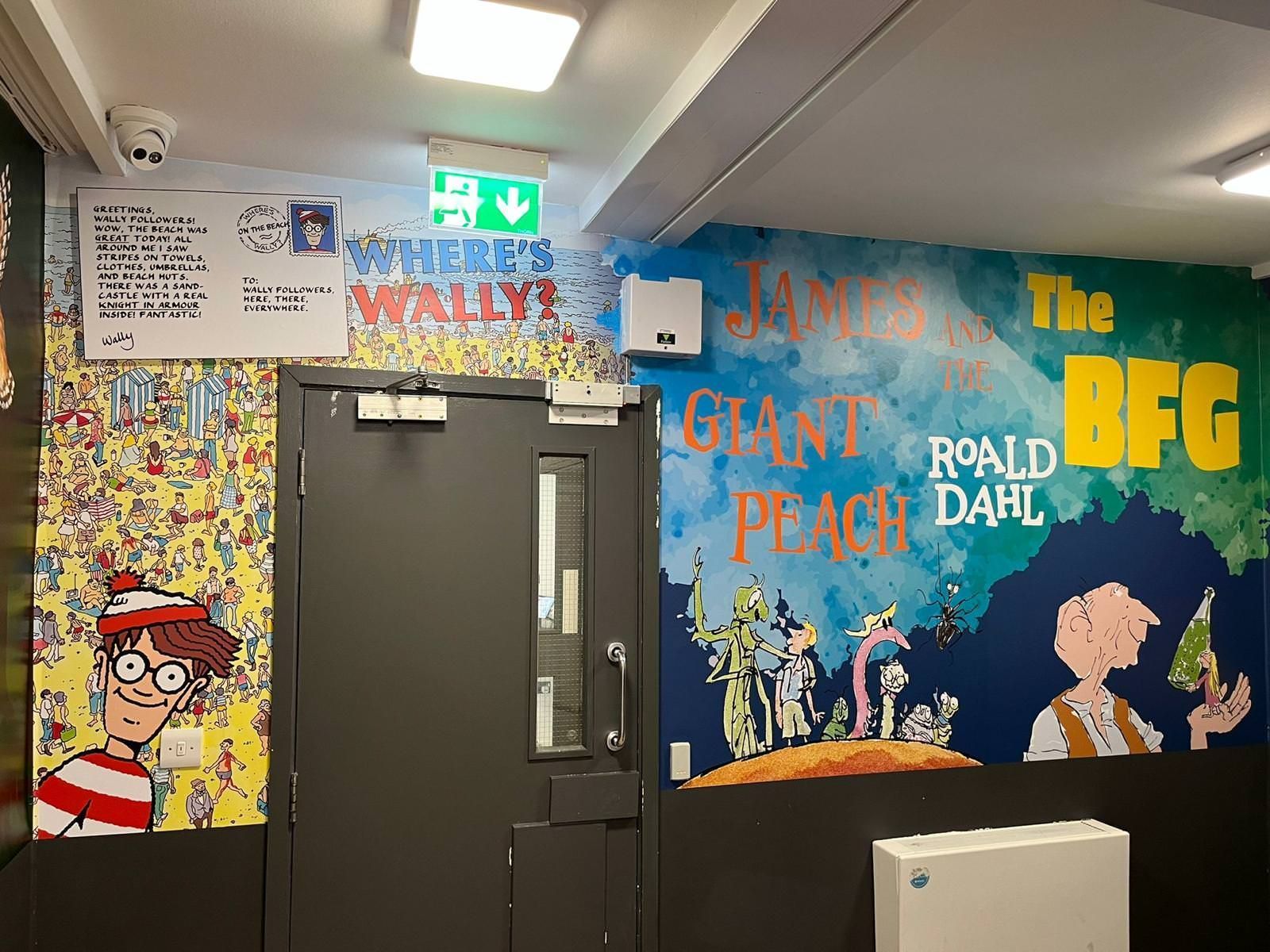
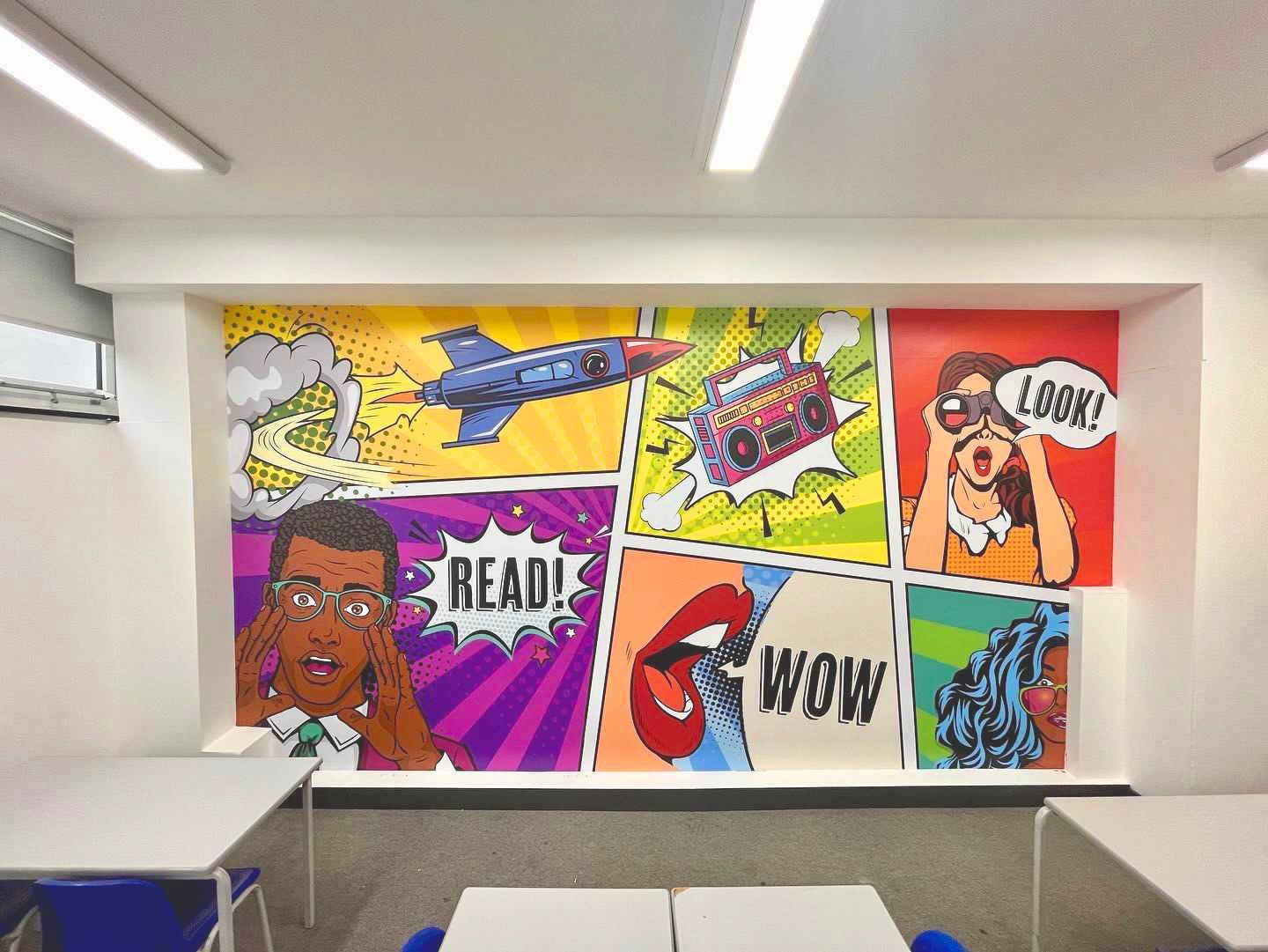
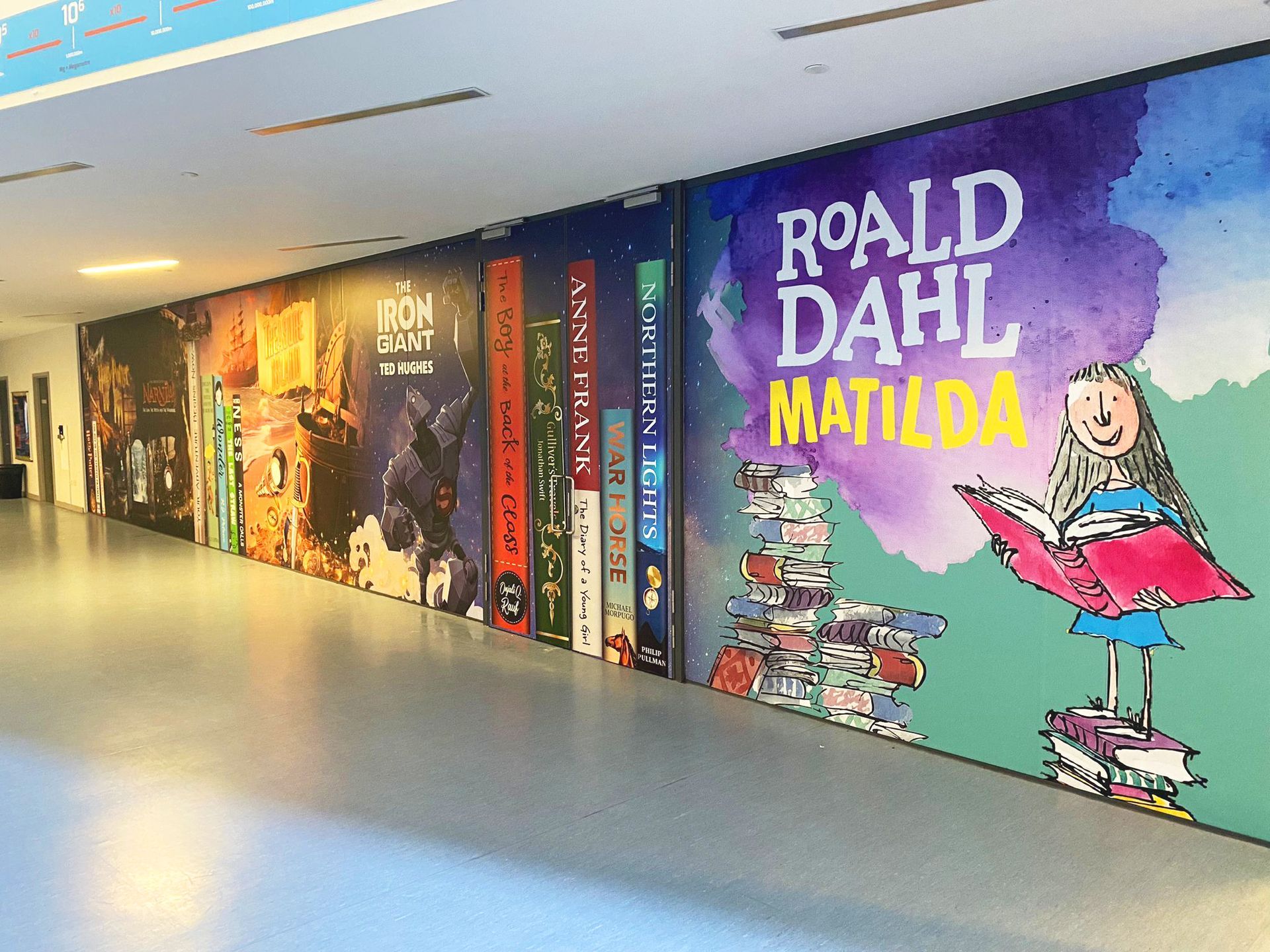
School corridors become story-rich areas that stimulate students' imagination and reading enthusiasm at all educational levels. Schools can achieve their literacy targets and foster creative thinking through wall graphics that create emotional connections between students and literature.
More Posts

Back to home